Trail-Camera Tactics for Tracking Mature Bucks
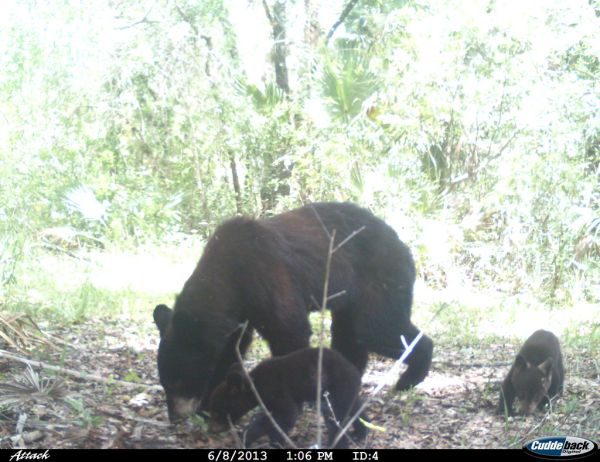
Trail cameras have become the backbone of modern buck hunting, especially when you are after mature, elusive animals. A well‑placed camera can reveal travel routes, bedding areas, and even the timing of a buck's daily movements, giving you a strategic edge before the season even begins.
Cellular trail cams are the most reliable option for long‑term monitoring because they transmit images directly to your phone or email. Look for models with a strong 4G LTE module, a battery life of at least a year on a 4‑AA setup, and a clear night‑vision sensor. Keep the data plan simple - a low‑cost prepaid plan works well if you only need a few megabytes per month.
Placement is where the magic happens. Aim for natural funnels such as game trails, creek crossings, and ridgelines that lead to feeding areas. Mount the camera 3 to 5 feet off the ground, angled slightly downward, and make sure the field of view includes the full width of the trail. Use a bait or a natural attractant to encourage a buck to pause within the camera’s detection zone.
Once you have a steady stream of images, start patterning the mature bucks. Note the time of day they appear, the direction they travel, and any repeat routes. Over weeks, a clear picture emerges - often a specific trail used at dawn and a different one at dusk. Use this information to set up your stand or blind in the most productive spot, and adjust your approach based on weather and season changes.