Reading the Wind: Scent Control Tactics That Put More Deer in Range
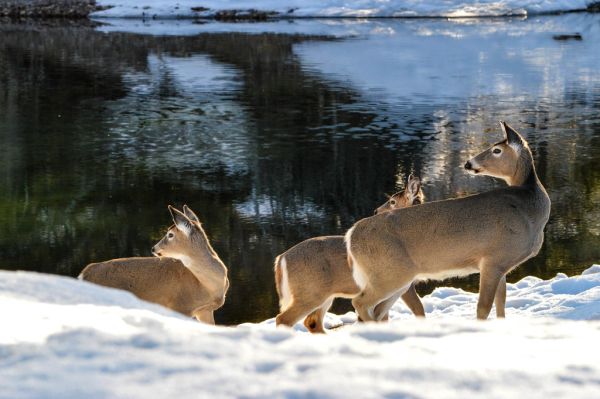
Understanding wind is the first step to staying undetected. A light breeze can carry your scent hundreds of yards, while a calm day lets it linger near you. Before you step into the field, check the wind direction with a simple ribbon or a piece of lightweight fabric, and plan your approach so you move downwind of the deer and upwind of your own scent.
Keep scent at a minimum by using windbreaks and natural cover. Trees, brush, and even a well‑placed hill can block scent from reaching a deer’s nose. When possible, walk along ridgelines or depressions that keep your scent below the wind’s path. If you must cross open ground, pause at the edge of cover and let the wind carry any residual scent away before continuing.
Your clothing and gear are silent scent carriers. Choose scent‑free, breathable fabrics and avoid synthetic materials that trap odors. Wash your hunting clothes in a scent‑free detergent and store them in sealed bags until you head out. A simple rinse with a mild vinegar solution can neutralize lingering smells on boots and gloves.
In the field, use scent‑masking techniques that blend with the environment. Spraying a light mist of pine or cedar oil on your outer layer can mask human odor without overwhelming the natural scent profile. Additionally, avoid strong personal scents like cologne, aftershave, or heavily scented soaps on the day of the hunt.
Finally, stay adaptable. Wind can shift quickly, especially in changing weather. Keep a wind‑check tool handy and be ready to adjust your position or retreat if the wind turns against you. Consistent wind awareness combined with disciplined scent control will keep you invisible and put more deer within range.