Mastering Whitetail Rut Timing: How to Hunt Every Phase
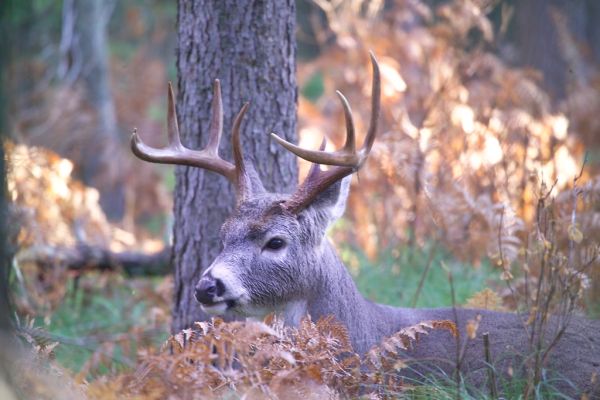
The whitetail rut typically unfolds from mid‑October through early December, but exact dates shift with latitude, elevation, and weather. Knowing the three main phases-pre‑rut, peak rut, and post‑rut-lets you match your strategy to buck behavior, increasing your chances of a successful hunt.
During pre‑rut bucks begin to test the boundaries of their territory. They move more during daylight, especially along bedding‑area edges and travel corridors. This is the perfect time to scout with a spotting scope, set up early‑morning blinds near known bedding sites, and use low‑volume grunt calls to gauge activity without spooking them.
Peak rut is when bucks are most active, often moving at night and responding aggressively to any sign of a doe. Focus on scent control, place stands near well‑used deer trails, and consider using a realistic buck decoy to trigger territorial responses. Night hunting can be especially effective, but be prepared for rapid, short‑range shots.
Post‑rut bucks settle into a more predictable pattern, often returning to familiar feeding areas. Shift to still‑hunting or slow‑drive tactics, targeting mature bucks that have survived the intense rut. Early morning and late afternoon remain prime windows, and a well‑placed ground blind can make the difference.