Mastering Whitetail Rut Timing: How to Hunt Every Phase
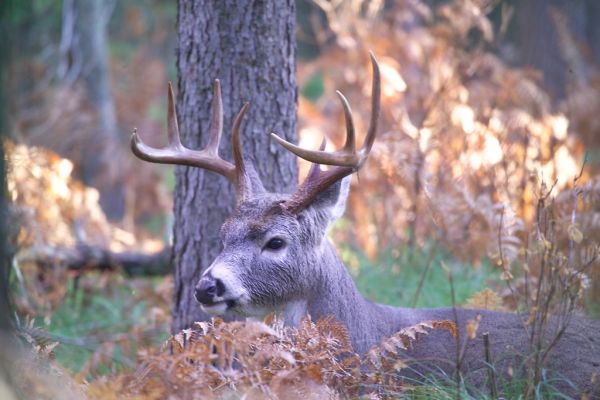
The whitetail rut is a three‑part cycle that repeats each year in most of the deer range. It begins with the early or pre‑rut, peaks in the middle of the season, and tapers off in the late rut. Knowing where the herd is in this cycle lets you match your strategy to the bucks' behavior, increasing your chances of a successful hunt.
During the early rut bucks are still testing the waters, moving in small groups and calling from the edges of their home ranges. Focus on scouting likely travel corridors and set up in areas where food sources intersect with bedding sites. Early‑season calls, especially grunt calls, can draw curious bucks, but keep your movements low and your scent control tight, as the bucks are still wary of humans.
The peak rut is when the action concentrates around does in estrus. Bucks will travel longer distances and become more aggressive in their pursuit. Position yourself near known doe beds or travel routes that lead to them, and use a combination of doe bleats and buck calls to stimulate competition. At this stage a slower, more deliberate approach works best; the bucks are less likely to be spooked by a quick movement and more focused on the scent of a potential mate.
In the late rut the herd starts to settle down, and bucks may begin to return to their normal patterns. Hunting in this phase benefits from a return to traditional stand hunting near feeding areas and water sources, as the urgency of the chase fades. Keep an eye on wind direction and be ready to adapt, because bucks may become more cautious after the intense activity of the peak. By adjusting your tactics to each rut phase, you can stay one step ahead of the bucks and make the most of the season.