Mastering Trail Cameras: Cell Cams, Smart Placement, and Buck Patterning
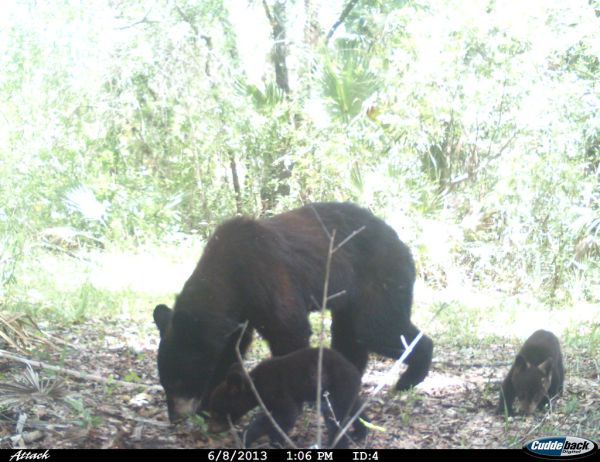
Cellular trail cameras have changed the way we scout for bucks. They send images straight to your phone or email, eliminating the need to trek into the woods every few days. Choose a model with a reliable 4G connection, decent battery life, and a clear night vision mode, and you’ll get a steady stream of data without the hassle of manual retrieval.
Placement is where the magic happens. Aim the camera at natural travel corridors such as ridgelines, water sources, or established bedding areas. Keep the lens 8 to 12 feet off the ground and angled slightly downward to capture the full profile of passing bucks. Avoid direct sunlight on the lens and use camouflage or natural foliage to hide the housing.
Mature buck patterning follows a predictable rhythm. Early morning and late afternoon are peak movement times, especially during the rut. Look for repeated use of the same bedding spots, travel routes, and feeding patches. When you notice a buck using a particular corridor for several days, set a secondary camera nearby to capture a different angle and increase your chances of a clean shot.
Finally, review your images regularly and adjust as needed. If a camera isn’t getting clear shots, move it a few feet higher or lower, or change the angle. Rotate batteries and memory cards on a schedule that matches your data flow, and keep firmware updated to maintain reliability. Consistent, data‑driven scouting will give you the edge when the season peaks.