Mastering Trail-Camera Tactics for Mature Buck Harvests
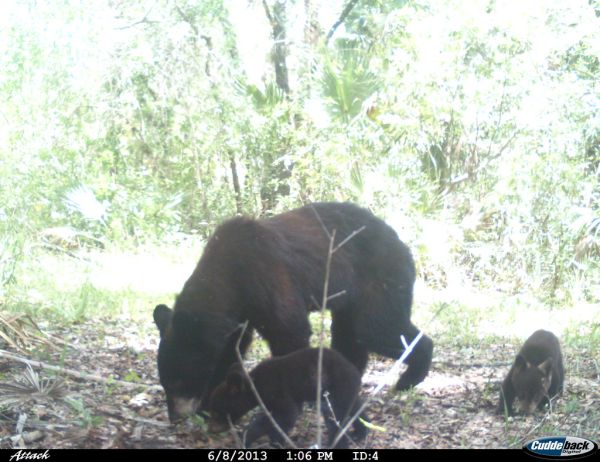
Cell cameras have become a staple for modern hunters because they send images straight to your phone, letting you check activity without a field trip. Choose a model with reliable cellular coverage, a fast trigger speed, and a battery life that can handle cold nights. Pairing a good cell cam with a simple solar panel can keep it running all season without frequent battery swaps.
When it comes to placement, height and angle matter more than you might think. Aim for 5 to 6 feet off the ground to capture a full-body view of a buck, and tilt the camera slightly downward to reduce glare from the sky. Position the cam along natural travel lines such as ridgelines, creek crossings, or game trails, and keep it at least 30 feet from the expected path to avoid spooking the animal.
Patterning is the art of using multiple cameras to create a network that reveals movement patterns. Set up a primary cam at a known feeding or bedding site, then add secondary cams a few hundred yards away along likely escape routes. Rotate the locations every few weeks to prevent bucks from learning the cameras' presence. If you use scent attractants, place them downwind of the camera so the buck approaches from the intended direction.
Finally, review your images regularly and adjust based on what you see. If a camera shows frequent false triggers from wind-blown foliage, raise it a few inches or add a simple shield. If bucks are only passing at the edge of the frame, move the cam closer to the trail. Small tweaks each week can turn a static setup into a dynamic scouting system that keeps you one step ahead of mature bucks.