Mastering Trail-Camera Strategy for Mature Buck Hunting
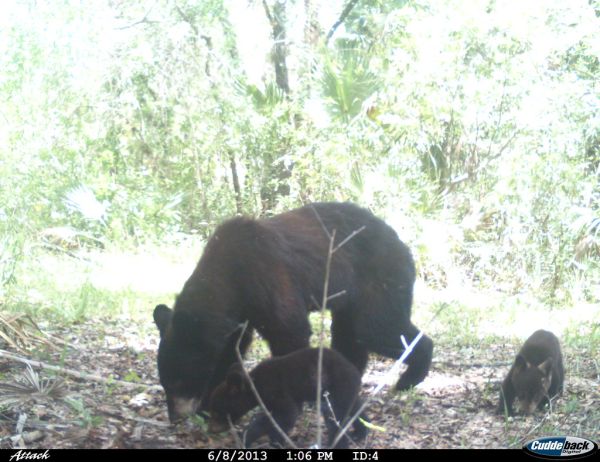
Trail cameras have become an essential tool for any hunter serious about finding mature bucks. They let you monitor high-traffic areas without disturbing the animals, giving you a realistic picture of movement patterns and peak activity times. By reviewing the images regularly you can fine‑tune your approach and avoid wasted hours on dead zones.
Cellular (cell) cameras add a layer of convenience that traditional models can’t match. With a reliable signal they can send images directly to your phone or email, letting you react quickly to fresh activity. The trade‑off is usually a higher upfront cost and a need for a good data plan, but the time saved scouting the woods often outweighs those concerns.
Placement is where most hunters either succeed or fall short. Aim for a height of 4 to 6 feet, angled slightly downward to capture the full silhouette of a passing buck. Position the camera along natural funnels such as ridgelines, creek crossings, or the edges of food sources, and keep the lens clean of scent by using a light dusting of pine oil or a scent‑free wipe.
Patterning your cameras means thinking like a buck. Deploy a pair of cameras a few hundred yards apart to create a virtual corridor; bucks moving through will trigger both, confirming direction of travel. Rotate locations every few weeks to prevent habituation, and consider adding a small bait station or mineral lick to draw bucks into a known spot during the pre‑rut.
The final step is to review and adjust. Look for consistent travel times, weather influences, and any changes in herd dynamics. Use that data to plan your stand placement, timing, and even the type of calls you’ll use. A disciplined camera strategy turns raw footage into a reliable hunting map, increasing your odds of meeting that mature buck when the season peaks.