Mastering Trail-Camera Strategy for Mature Buck Hunting
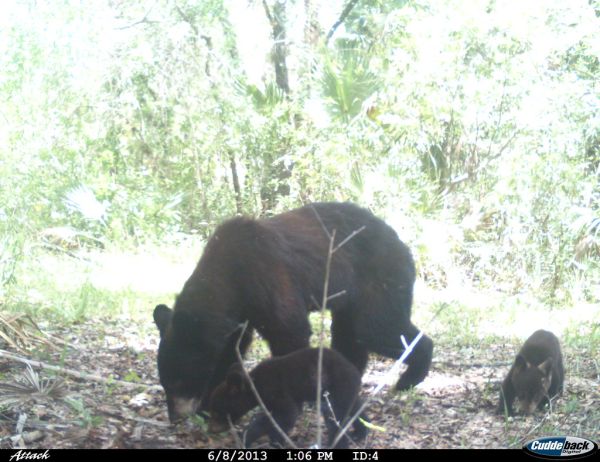
Trail cameras have become a cornerstone of modern buck hunting, giving you a window into the woods without disturbing the animal. By reviewing images regularly you can spot travel routes, feeding spots, and the timing of mature bucks, allowing you to plan a more effective hunt.
Cellular cameras eliminate the guesswork of retrieving memory cards. With a reliable signal they send photos straight to your phone, so you can check activity daily and adjust your tactics on the fly. Choose a model with a strong battery life and a clear night vision mode, and make sure the data plan covers the remote area you’ll be hunting.
Placement is where the magic happens. Aim the lens 4 to 6 feet off the ground for a clear view of a buck’s shoulder and antlers. Position the camera perpendicular to the trail, about 10 to 15 feet away, to capture the full silhouette as the animal passes. Look for natural funnels such as creek crossings, ridgelines, or narrow openings in brush - these are the paths mature bucks favor.
Patterning ties the data together. Once you know a buck’s preferred corridor, set a bait or scent station a few hundred yards upwind of the camera to draw him into view. Keep the pattern consistent for a week, then shift it slightly to test if the buck follows or changes routes. Regularly review the images, note the time of day and weather, and refine your approach until the buck shows up reliably.