Mastering Trail-Camera Strategy for Mature Buck Harvest
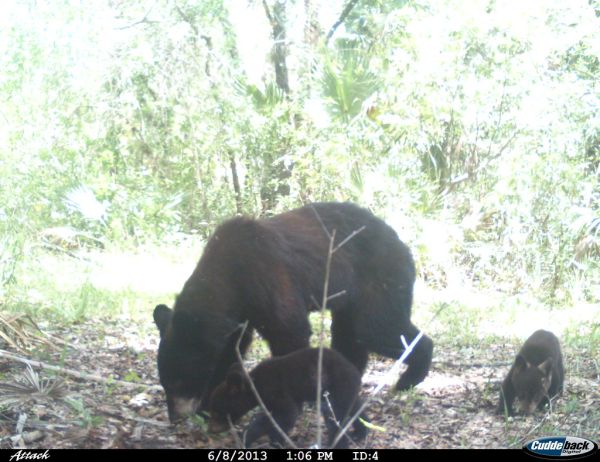
Trail cameras have become a staple for any serious buck hunter. A cell-enabled camera lets you check images from the road, saving trips into the woods and letting you react quickly to fresh activity. Choose a model with a reliable cellular module, decent battery life, and a clear night-vision sensor - you don’t need the flashiest unit, just one that delivers consistent photos.
Placement is where the magic happens. Aim for a height of three to five feet, angled slightly downward to capture the full silhouette of a moving buck. Position the camera along natural travel corridors such as game trails, ridgelines, or the edge of a feed source. A shot from the side of the trail often yields a better profile than a head-on view, and a clear line of sight reduces false triggers.
Mature bucks follow predictable patterns. They tend to use the same bedding sites, travel the same routes to water, and revisit feeding patches that provide reliable nutrition. Map these hotspots on a simple sketch, then space your cameras about 200 to 300 yards apart to cover overlapping fields of view. Pay attention to wind direction - bucks will often approach from downwind, so placing a camera where the wind funnels them into view increases capture rates.
When using a cell cam, set your photo schedule to capture a few images every hour during peak activity periods - dawn and dusk - rather than continuous shooting, which drains battery faster. Pair the camera with a solar panel or high-capacity batteries for longer deployments. Finally, respect local regulations on camera placement and data transmission, and always retrieve your equipment promptly to avoid leaving a trace in the habitat.