Mastering Trail-Camera Strategy: Cell Cams, Placement, and Buck Patterning
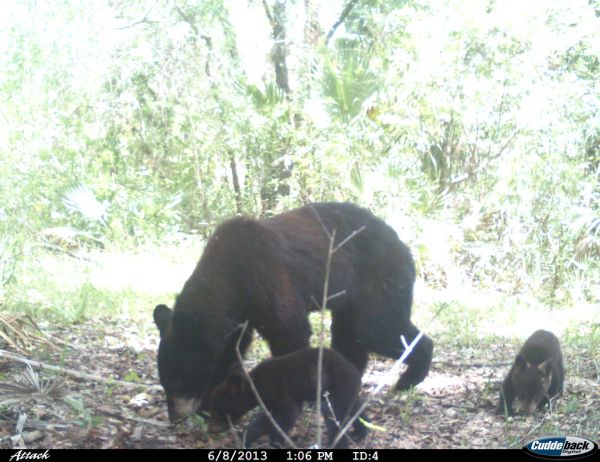
Cellular trail cameras have changed the way hunters gather intel on mature bucks. Unlike traditional models, they transmit images directly to your phone or email, letting you react to movement in near real time. This immediacy means you can adjust your plan while the season is still in progress, rather than waiting weeks for a memory card to be retrieved.
Effective placement starts with understanding the natural flow of a deer’s day. Set cameras 5 to 6 feet off the ground, angled slightly downward, and aim for travel corridors such as ridgelines, water sources, and game trails. Position the lens just beyond the edge of a brush line or a fence post to capture deer as they move past, not head-on, which reduces false triggers from wind-blown vegetation.
Patterning mature bucks relies on a combination of scent, rubs, and consistent camera coverage. Deploy a network of at least three cameras in a triangular formation around known rub sites, feeding stations, or bedding areas. Rotate the cameras every few weeks to keep the buck guessing and to cover new ground as the herd shifts. When a buck appears on multiple cameras in a short window, you have a clear indication of its travel route and can plan a strategic stand or ambush.
Cell cams demand thoughtful power management. Pair a high-capacity lithium battery with a solar panel if you expect low light conditions, and choose a data plan that offers enough megabytes for daily image transfers. Adjust the trigger sensitivity to balance between capturing every movement and preserving battery life; a moderate setting usually filters out small animals while still catching deer.
Before you head out, run through a quick checklist: verify signal strength, set the correct date and time, clean the lens, and test the motion sensor. After each day in the field, review the images, note any new trails or bedding spots, and update your placement map. Consistent review and adjustment turn raw data into a reliable buck‑hunting strategy that works season after season.