Mastering Trail-Camera Strategy: Cell Cams, Placement, and Buck Patterning
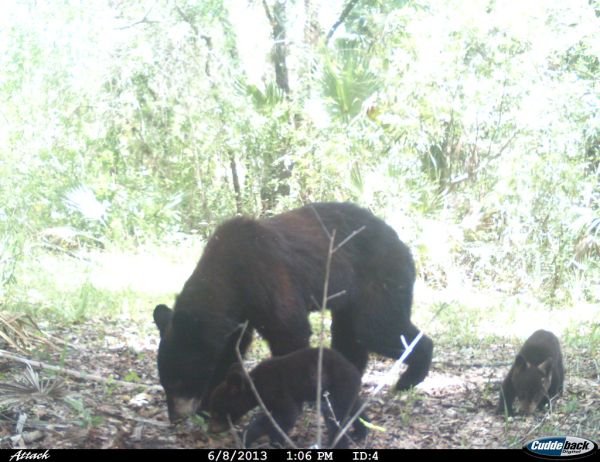
Cellular trail cameras let you check images from the field without a long drive back to the stand. Because the pictures upload over a 4G or LTE network, you can spot a buck moving through your property within minutes and adjust your plan before the deer even knows you’re there. The key is to choose a camera with a reliable signal, a decent battery life, and a fast trigger speed, then pair it with a simple app that sends you alerts.
Placement matters more than the camera model. Aim for a height of three to five feet, angled slightly downwards, and position the lens about 30 to 45 feet from the expected travel line. Use natural cover to hide the camera body, but keep the field of view clear of branches that could trigger false captures. A good rule of thumb is to set the camera where a buck’s eye level lines up with the lens; this reduces motion blur and gives you a clear headshot.
Mature bucks follow predictable patterns that you can map with a few weeks of footage. Look for well‑used game trails, bedding areas, and feeding spots that sit on the edge of cover. Place cameras at intersecting trails to catch the buck’s decision point, and stagger them along a corridor to see which direction the animal prefers. Remember to consider wind direction; bucks tend to travel downwind of a scent source, so a camera placed opposite the prevailing wind can reveal a hidden route.
After a week of images, review the timestamps and movement paths. If a camera is getting too many false triggers, raise it or adjust the motion sensitivity. If you notice a buck consistently using a particular corridor, set up a stand or a lure nearby to increase your chances of a clean shot. Always check local regulations on camera placement and data storage to stay within legal bounds, and keep your equipment weather‑proofed for year‑round reliability.