Mastering the Whitetail Rut: Timing, Phases, and Tactics
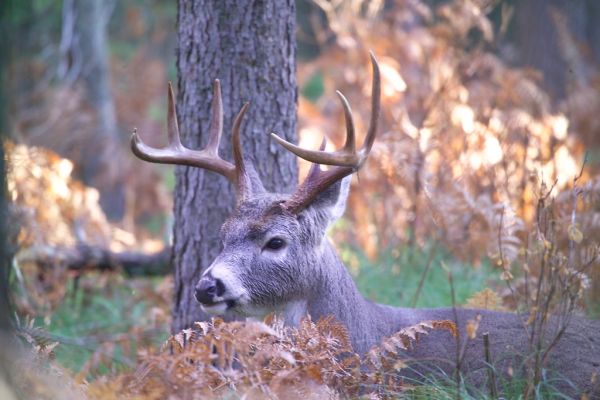
The whitetail rut is a seasonal rhythm that repeats each year, but the exact dates shift with latitude, weather patterns, and local deer populations. In most of the Midwest and South the rut opens in early November, peaks around the second week, and winds down by the third week. Keep an eye on local reports, temperature trends, and daylight hours to fine‑tune your calendar for the specific area you hunt.
During the pre‑rut phase bucks are still testing the waters. You’ll see increased movement on bedding areas, fresh scrapes, and a rise in rubs as males establish dominance. Hunt early mornings and late evenings when bucks travel between feeding and bedding sites. Position yourself near known travel corridors, use a quiet approach, and consider a soft grunt call to provoke a response without spooking the herd.
The peak rut is when bucks are most active and vocal. Fresh scrapes become abundant, and you’ll hear frequent grunt calls echoing through the woods. This is the time to set up near high‑traffic rub lines or natural funnels such as creek crossings. Use a combination of grunt calls and scent lures to draw in curious bucks, but stay mobile - a buck may only linger a few minutes before moving on.
Post‑rut bucks are exhausted and may retreat to bedding areas for recovery. Their movements become slower and more predictable, often returning to known feeding patches. Hunt during the warmest part of the day when deer seek shade, and focus on stand locations that overlook bedding sites or water sources. Adjust your tactics to a slower pace, relying on patience and a well‑placed blind rather than aggressive calling. By matching your strategy to each phase of the rut, you increase your chances of a successful harvest.
Remember that the rut is a dynamic system; weather spikes, moon phases, and human pressure can shift timing by days. Keep a simple log of observed activity, stay flexible, and let the deer’s behavior guide your decisions each day.