Mastering the Whitetail Rut: Timing, Phases, and Proven Tactics
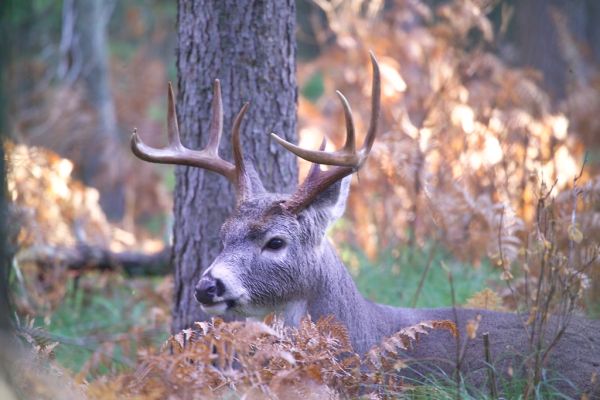
The whitetail rut typically unfolds over a three- to four‑week window in the fall, but exact dates shift with latitude, elevation, and weather patterns. Understanding the general flow - pre‑rut, peak, and post‑rut - lets you plan scouting trips, set up stands, and choose the right tactics before the pressure builds.
During the pre‑rut, bucks are still testing the waters and will travel more widely in search of does. Early mornings and late evenings are prime times to locate fresh rubs, scrapes, and travel corridors. Focus on still‑hunting near known feeding areas, and use a quiet approach to avoid spooking the wary animals. This is also the best time to place scent‑free blinds or tree stands that will be ready for the upcoming surge.
The peak rut brings the most vocal activity and aggressive buck behavior. Bucks will respond to doe calls and may linger near does that are in estrus. Position stands along established travel routes, preferably downwind of the expected movement, and keep your scent control tight. Short, sharp calls can provoke a response, but be prepared for rapid, unpredictable movement - have a clear exit plan.
In the post‑rut phase, the frenzy fades and mature bucks resume normal patterns, often returning to bedding areas and feeding sites. Shift your focus to still‑hunting near known bedding locations and use longer range optics to locate bucks that are less active. Maintaining patience and minimizing noise will increase your chances as the pressure eases and the forest quiets down.