Mastering the Whitetail Rut: Timing, Phases, and Proven Strategies
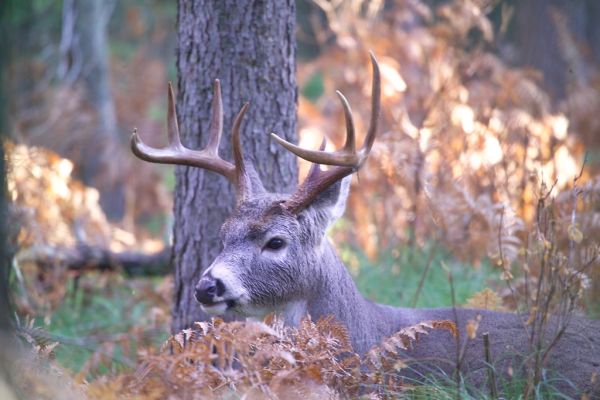
The whitetail rut unfolds in three main phases - pre-rut, peak rut, and post-rut - each with distinct buck behavior. In the pre-rut, bucks are testing the waters, moving in larger circles and leaving fresh rubs and scrapes. Focus on scouting early, identifying fresh signs, and setting up near travel corridors where bucks are likely to pass.
During the peak rut, bucks are most active, chasing does and fighting for dominance. This is the time to position yourself near known bedding areas, water sources, and high-traffic travel lanes. Use scent control, stay low, and be prepared for sudden, fast-moving shots as bucks will often rush through without hesitation.
The post-rut phase sees bucks exhausted and more cautious. They may linger longer at feeding sites and be less inclined to chase. Shift your strategy to longer-range shots, use calls sparingly, and focus on still-hunting near feeding patches where bucks are likely to refuel.
Regardless of the phase, consistent scouting, understanding wind direction, and adapting your stand placement are the fundamentals that turn a rut into a successful hunt. Keep a notebook of sign locations, note changes in buck activity, and adjust your tactics daily to stay one step ahead of the herd.