Mastering the Whitetail Rut: Timing, Phases, and Proven Hunting Tactics
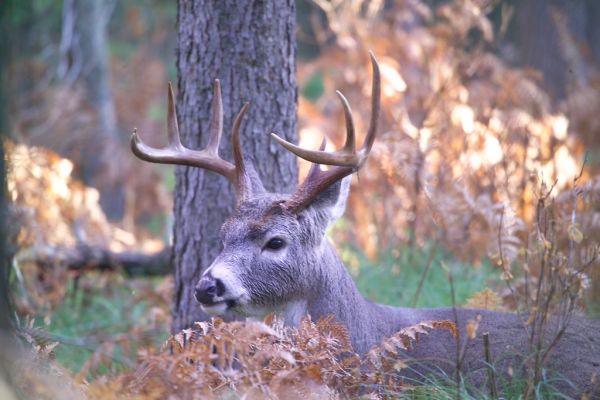
The whitetail rut typically runs from late October through early December, but exact dates shift with latitude, elevation, and weather patterns. Higher elevations and northern latitudes often see a later start, while milder climates can push the peak into early November. Watching local deer activity, checking trail cameras, and noting the first signs of buck movement will give you a reliable cue for when the season is about to kick off.
In the pre‑rut phase bucks begin testing the waters - they increase travel between feeding areas and bedding sites, and you’ll hear more grunt calls at dawn. This is the time to focus on early‑morning stands near known travel corridors, use low‑volume grunt calls sparingly, and keep scent control tight. Scouting fresh bedding sites and marking fresh rubs can also reveal where bucks are concentrating their attention.
Peak rut is the most intense period, usually lasting two to three weeks when bucks are actively seeking does. During this window bucks respond strongly to doe bleats and aggressive grunt calls, especially in the late afternoon and early evening when they are moving to night bedding. Position yourself on well‑used trails, set up wind‑blocked stands, and be ready to move quickly as bucks can cover large distances in a short time.
Post‑rut bucks settle back into a more predictable pattern, focusing on feeding and conserving energy. While the frenzy of calls fades, bucks still react to fresh scent and movement near feeding sites. Extend your stays at proven feeding locations, use subtle calls only when you have a clear buck presence, and consider night hunting if local regulations allow. Consistent pressure and smart positioning will keep you in the game even after the peak has passed.