Mastering the Whitetail Rut: Timing, Phases, and Proven Hunting Tactics
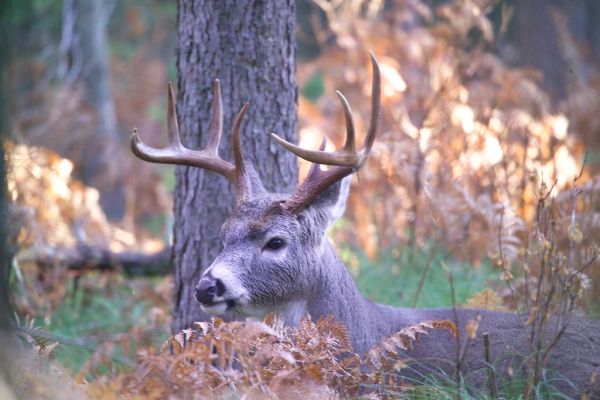
The whitetail rut is a predictable yet flexible event that usually peaks between late October and early December in most of the Midwest and South. Weather, latitude, and food availability shift the calendar by a week or two, so the first step is to mark the local window on your calendar and watch for the first signs of buck movement.
Pre-rut (early October to early November) is when bucks start testing the herd and establishing territories. They travel more, scent more heavily, and respond well to rubs and fresh scrapes. Hunt this phase by setting early morning stands near known travel corridors, using scent control, and keeping a low profile to avoid spooking the cautious animals.
Peak rut (mid-November to early December) brings the highest buck activity, with bucks chasing does and fighting for mates. This is the time to position stands on ridgelines, along doe trails, and near feeding areas where does congregate. Use grunt calls or doe bleats sparingly, match the wind, and be ready for short, intense bursts of action as bucks move quickly through the area.
Post-rut (late December into January) sees bucks exhausted and less aggressive, but they still move to recover and feed. Focus on scouting for fresh bedding, heavy browse, and lingering scrapes. Slow, patient hunting from tree stands or ground blinds near winter food sources often yields success as bucks return to replenish energy.