Mastering the Whitetail Rut: Timing, Phases, and Proven Hunting Strategies
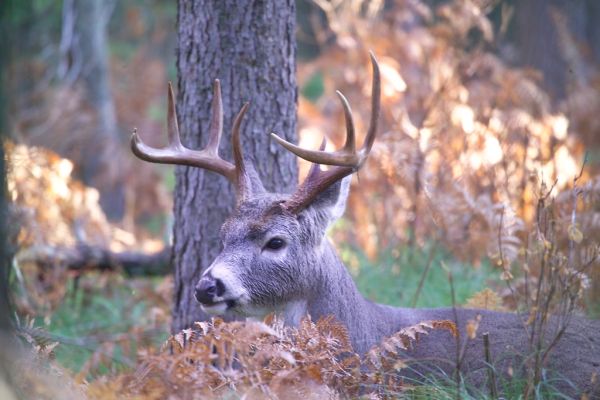
The whitetail rut is a four‑to‑six‑week window that can be broken into three distinct phases: pre‑rut, peak rut, and post‑rut. Pre‑rut typically begins in early November in the north and late November in the south, when bucks start to increase their daily travel and scent marking. During this time, focus on scouting and setting up early morning and evening stand locations near known bedding areas and travel corridors.
Peak rut is the most intense period, lasting about one to two weeks when bucks are actively seeking does and are more vocal. This is the time to use calls, rattling, and scent lures to draw attention. Position yourself on high‑traffic ridgelines or near water sources, and be prepared for rapid, erratic movements as bucks chase does or respond to rival bucks.
Post‑rut follows the peak and can stretch into early December. Bucks are exhausted, less aggressive, and may return to normal feeding patterns. Shift your focus to still hunting from tree stands or ground blinds near feeding sites, and rely more on scent control and patience than on aggressive calling.
Regardless of the phase, a few evergreen habits will improve your odds: keep a consistent scent‑free routine, track fresh sign daily, and adjust your schedule to match the bucks' activity peaks-usually dawn and dusk. By aligning your tactics with the natural rhythm of the rut, you’ll increase encounters and make the most of this prime hunting season.