Mastering the Whitetail Rut: Timing and Tactics for Every Phase
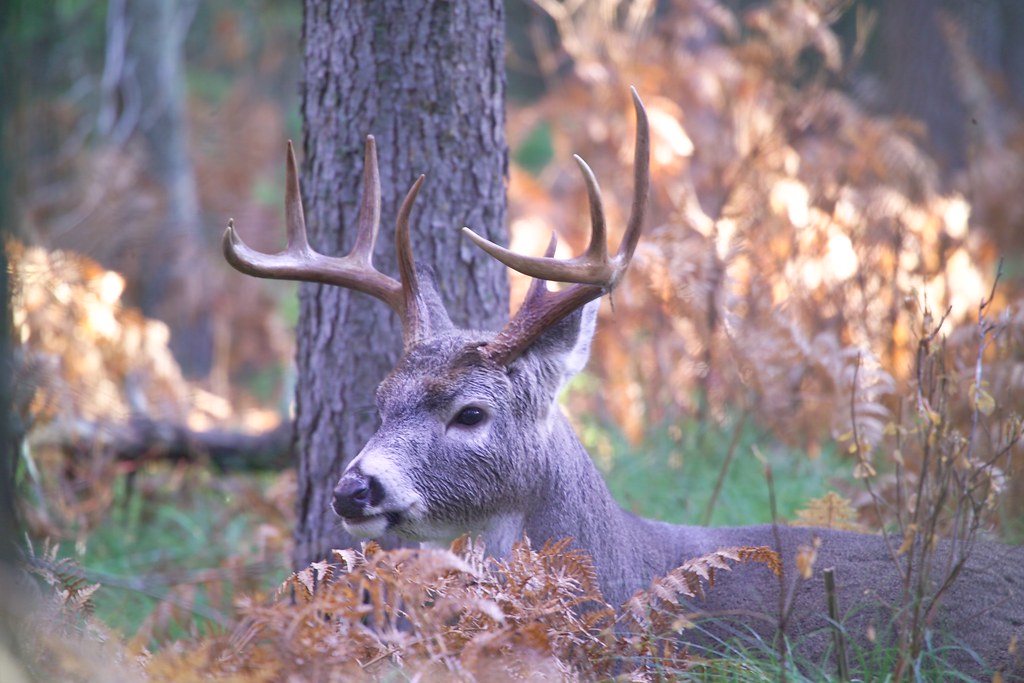
Understanding the three main phases of the whitetail rut-pre‑rut, peak rut, and post‑rut-lets you plan where bucks will be moving and what they will be doing. In the pre‑rut, bucks are still establishing territories and testing does; they tend to patrol the edges of their range and respond to any scent or sound that suggests a rival. Focus on early morning and late evening stand locations near bedding areas, and use calls that mimic low‑intensity buck grunts.
During the peak rut, bucks are most active, chasing does and confronting rivals. This is the time to position yourself on known travel corridors, such as narrow valleys, creek beds, and ridgelines that lead to feeding sites. Light, high‑pitch calls that imitate a doe in estrus can trigger a chase response, while a well‑timed buck grunt can draw a rival into range. Keep your movements minimal; any sudden noise can spook a buck that is already on high alert.
In the post‑rut phase, bucks are exhausted and often retreat to bedding or feeding spots to recover. They become less aggressive and more selective about movement. Shift your stand to high‑traffic feeding areas or near water sources, and use scent lures that mimic fresh buck urine to attract a tired buck looking to reassert his scent marks. Patience is key-wait for the buck to come within effective range rather than trying to provoke a chase.
Regardless of the phase, always scout your hunt area before the season starts. Identify bedding, feeding, and travel routes, and note any natural funnels that force bucks into narrow paths. Consistent observation, combined with phase‑specific tactics, will give you the edge needed to harvest a mature buck throughout the entire rut.