Mastering the Whitetail Rut: Timing and Tactics for Every Phase
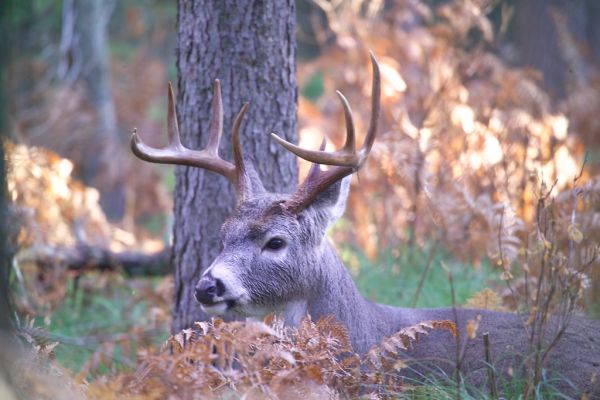
The whitetail rut is a predictable, four‑to‑six‑week window that can be broken into three distinct phases: pre‑rut, peak rut, and post‑rut. Understanding the timing of each phase lets you match your strategy to the bucks’ behavior, increasing your chances of a solid harvest.
During pre‑rut (early November in most regions) bucks are testing the waters. They move longer distances, often following established travel corridors and bedding sites. Focus on scouting these routes, set up early morning stands near fresh sign, and use grunt calls sparingly to draw attention without spooking wary animals.
Peak rut arrives in mid to late November when bucks are driven by hormones and competition. They become more aggressive and less cautious, moving quickly between feeding areas and rubs. Deploy scent‑control measures, position yourself near high‑traffic feeding spots, and consider using decoys or buck calls to trigger a response. Short, decisive shots are essential as bucks may be on the move.
Post‑rut (early December) sees exhausted bucks that are less willing to chase. Shift to still‑hunting or slow walks, targeting areas where they have rested or fed heavily. Pay close attention to fresh tracks and droppings, and be ready for longer, more patient encounters as the pressure eases.
By aligning your tactics with the rut’s natural rhythm-early scouting, aggressive peak pressure, and patient post‑rut pursuits-you’ll stay one step ahead of the buck and improve your overall success rate.