Mastering the Whitetail Rut: Timing and Tactics for Every Phase
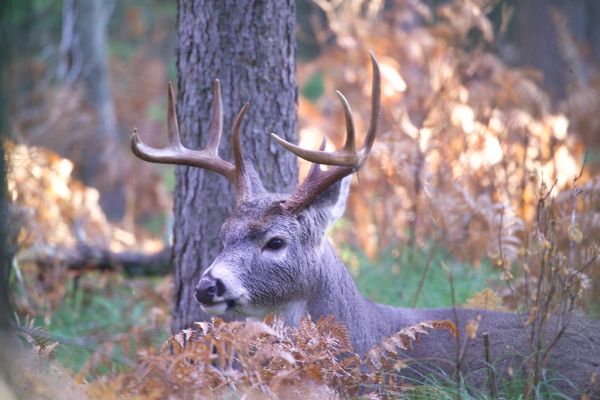
The whitetail rut is a predictable, four‑week window that repeats each year, but the exact dates shift with latitude, weather, and food availability. Most hunters break it into three phases: pre‑rut, when bucks begin to test the boundaries of their territory; peak rut, when the majority of breeding activity occurs; and post‑rut, when exhausted bucks linger and the herd settles back into normal patterns. Knowing where you are on that timeline lets you match your tactics to the bucks' behavior.
During pre‑rut, bucks are still feeding heavily and will travel longer distances to locate does. Focus on early morning and late afternoon patterns near feeding areas, water sources, and travel corridors. Use scent‑free clothing and keep noise to a minimum; the bucks are still cautious and will avoid anything that smells or sounds out of place. Light, fast‑moving calls can be effective, but only if you can place them within a few hundred yards of the buck’s likely path.
Peak rut is the most intense period, usually lasting one to two weeks. Bucks are less selective and will respond aggressively to any sign of a doe or a rival. This is the time to set up near known bedding sites, ridgelines, or natural funnels where bucks are forced to pass. Use a combination of grunt calls and rattling to provoke a response, and be prepared for sudden, close encounters. Safety is paramount; always know your target and have a clear escape route.
Post‑rut bucks are tired, wounded, or have missed the main breeding window. They tend to stay closer to their home range and may move slower. Shift your focus to known bedding and feeding spots, and consider using a stand that offers a broader field of view. Patience and persistence pay off in this phase; a well‑placed shot can still bring home a trophy even after the frenzy has faded.
Regardless of the phase, the key to a successful rut hunt is preparation: scout early, track weather patterns, and keep detailed notes on buck movement. Adjust your gear, scent control, and calling strategy as the rut progresses, and you’ll increase your chances of meeting a buck when he’s most receptive. Consistency and adaptability are the hallmarks of a seasoned whitetail hunter.