Mastering the Whitetail Rut: Timing and Tactics for Every Phase
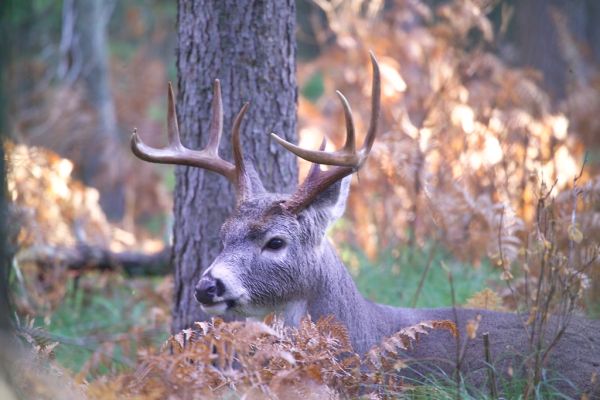
The whitetail rut is a predictable cycle that can be broken into three main phases - pre‑rut, peak, and post‑rut - each with its own patterns of movement and behavior. Understanding when each phase occurs lets you position yourself where bucks are most likely to be, increasing your chances of a successful hunt.
Pre‑rut begins in early October when bucks start to test the waters with short, low‑intensity vocalizations and limited travel. During this time focus on scouting known travel corridors, setting up near bedding areas, and using low‑volume grunt calls to gauge response. Early morning and late afternoon are the best times to observe fresh tracks and adjust your stand placement.
Peak rut hits in mid‑October and is marked by loud, frequent bugling, increased travel, and a higher concentration of bucks on established rub lines and doe estrus sites. This is the window to use more aggressive calls, place stands on known rubs, and stay mobile to follow fresh sign. Light wind and clear visibility are crucial, so plan your hunts around weather patterns that keep the air calm.
Post‑rut stretches from late October into early November as bucks shift focus to feeding and recovering. While vocal activity drops, bucks still move extensively in search of food, making hunting near high‑quality food sources and water sources effective. Use scent‑free clothing, stay quiet, and be prepared for longer sit times as bucks become more cautious.
By matching your tactics to each rut phase - scouting early, calling aggressively at peak, and targeting food sources post‑rut - you can stay one step ahead of the buck and make the most of the season’s opportunities.