Mastering the Whitetail Rut: Timing and Tactics for Every Phase
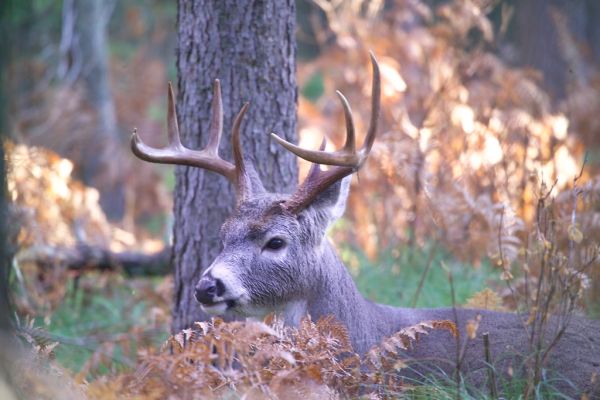
The whitetail rut unfolds in three recognizable phases - early, peak, and late - and each follows a predictable pattern based on daylight, temperature, and buck physiology. In most of the Midwest and South, the early rut begins in mid-October, peaks around the last week of October, and tapers off by early November, though local weather can shift those dates by a week or two.
During the early rut bucks are still testing the waters, moving in short, erratic bursts to locate receptive does. This is the best time to focus on scouting, identifying fresh rubs, and setting up near known travel corridors. Early morning and late afternoon are prime hours; use soft doe grunts or low-frequency calls to provoke a response without spooking the animal.
The peak rut is when bucks are most active, often traveling longer distances and responding aggressively to any doe signal. Position your stand near high-traffic bedding areas, water sources, or known feeding sites. Keep scent control tight, use realistic doe bleats, and be prepared for rapid, close-range shots as bucks may come within 30-50 yards.
In the late rut bucks have usually mated and shift their focus back to feeding and recovering. Pressure on does eases, so the hunt becomes more about locating bucks on their regular routes and feeding patterns. Move your stand to high-quality food sources, use a blend of scent attractants and subtle calls, and be patient - bucks are less likely to chase a sound and more likely to take a predictable path.
Adjusting your tactics to match each rut phase maximizes your chances of success. Keep a simple log of weather, buck activity, and your observations each day, and let that data guide where you stand, when you call, and how you move through the woods.