Mastering the Whitetail Rut: Timing and Tactics for Every Phase
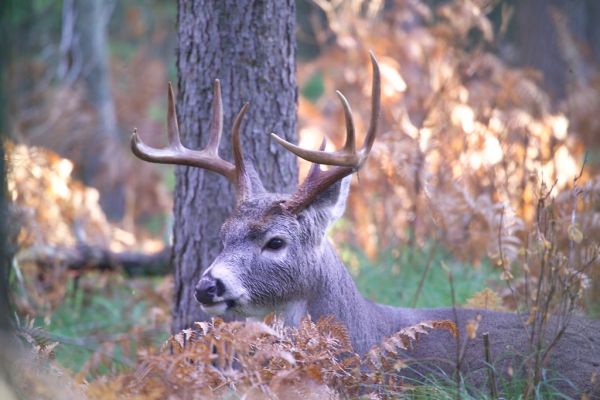
The whitetail rut unfolds in three recognizable phases - pre-rut, peak rut, and post-rut - each with its own patterns of movement and vocalization. Understanding the calendar is the first step; pre-rut usually begins in early November when bucks start testing the waters with low-frequency grunt calls and short, exploratory trips into doe ranges. During this time, focus on scouting and setting up early morning stands near feeding areas, and use scent control to stay invisible while the bucks are still cautious.
Peak rut arrives when the pressure builds, typically mid‑November to early December, and bucks become more aggressive and vocal. Their calls grow louder and more frequent, and they travel longer distances to locate receptive does. To capitalize on this, position yourself downwind of known travel corridors, use a call that mimics a doe in estrus, and be ready for rapid, close-range encounters. A well‑placed decoy can also draw a curious buck into range, but keep movement minimal to avoid spooking the heightened herd.
Post‑rut follows the peak, lasting a week or two as bucks recover and the herd settles back into normal patterns. The intensity of calls drops, and bucks revert to more predictable, daytime movements. This is an ideal time for longer, patient hunts - set up near water sources or bedding areas where bucks will return for relief. Early morning and late afternoon remain the most productive windows, but daylight hunts become more viable as the pressure eases. By adapting your strategy to each rut phase, you increase your chances of success while staying in harmony with the whitetail’s natural rhythm.