Mastering the Whitetail Rut: Timing and Tactics for Every Phase
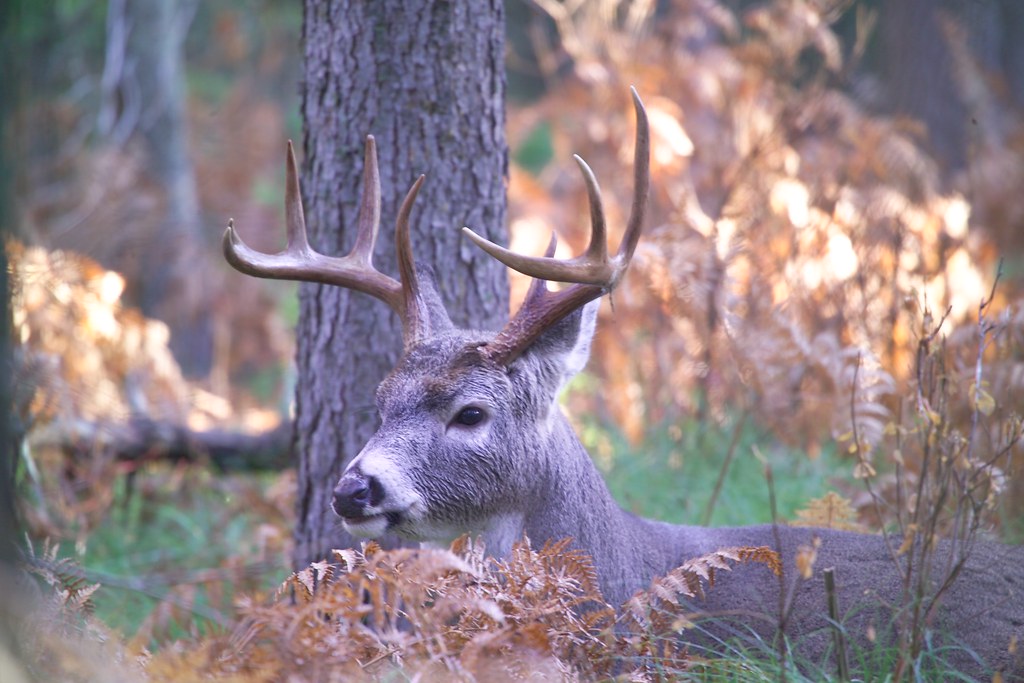
The whitetail rut is a three‑stage process that typically unfolds over a two‑week window in late fall. Understanding the pre‑rut, peak, and post‑rut phases helps you match your location, calling strategy, and pressure to the bucks' behavior. Early on, bucks are still testing the waters, moving in larger circles and keeping a low profile. By the peak, they are actively seeking does and will respond aggressively to any sound or scent. In the post‑rut, energy wanes and bucks focus on recovery, often staying closer to bedding areas.
During the pre‑rut, prioritize scouting and setting up early morning stands near known travel corridors. Light wind and a quiet approach are key, as bucks are easily spooked. Use soft grunt calls or doe bleats to draw attention, but keep the volume low. Position yourself where you can see fresh sign, such as fresh scrapes or rubs, and be ready to move quickly if a buck passes.
The peak rut demands a more aggressive stance. Bucks are on the move and will respond to louder, more persistent calls. Consider using a high‑pitch doe call or a buck grunt at regular intervals to simulate competition. Place stands near feeding areas, water sources, or natural funnels where bucks are forced to travel. Stay alert for sudden bursts of activity and be prepared for rapid shots as bucks may charge with little warning.
In the post‑rut, bucks are less active and tend to stay near bedding sites to regain strength. Shift your focus to low, concealed positions close to known bedding areas. Soft, infrequent calls work best, as excessive noise can scare the tired animals away. Patience is essential; wait for a buck to move out of its bedding area during daylight hours, when they may be more willing to travel for food. Adjust your pressure to stay low and avoid spooking the remaining activity.
By aligning your tactics with each phase of the rut, you increase your chances of success and enjoy a more predictable hunt. Stay flexible, read the signs, and let the bucks set the pace.