Mastering the Whitetail Rut: Timing and Tactics
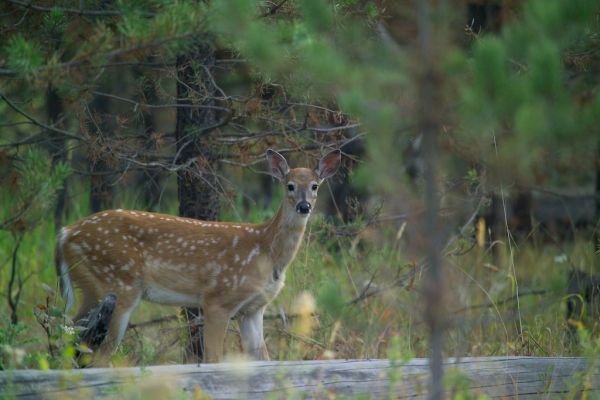
The whitetail rut is a critical period for hunters, as it brings bucks out of their usual hiding spots and into the open. The rut can be divided into three main phases: pre-rut, peak rut, and post-rut. During the pre-rut phase, which typically occurs in late October or early November, bucks begin to establish their territory and start to rub and scrape. Hunters can take advantage of this phase by setting up near areas with high buck activity, such as scrape lines and rubs.
The peak rut phase is usually the most exciting time for hunters, as it brings the most buck activity. This phase typically occurs in early to mid-November, and is characterized by intense buck activity, including chasing and fighting. Hunters can use this phase to their advantage by setting up near doe bedding areas, as bucks will often be found in these areas searching for does. The use of calls and scents can also be effective during this phase, as bucks are more likely to respond to these stimuli.
The post-rut phase, which typically occurs in late November or early December, is often overlooked by hunters, but can still be a productive time to hunt. During this phase, bucks are often tired and hungry from the rut, and will begin to focus on finding food and recovering from their exertions. Hunters can take advantage of this phase by setting up near food sources, such as crop fields or food plots, and using calls and scents to attract bucks.