Mastering the Whitetail Rut: A Phase-by-Phase Hunting Guide
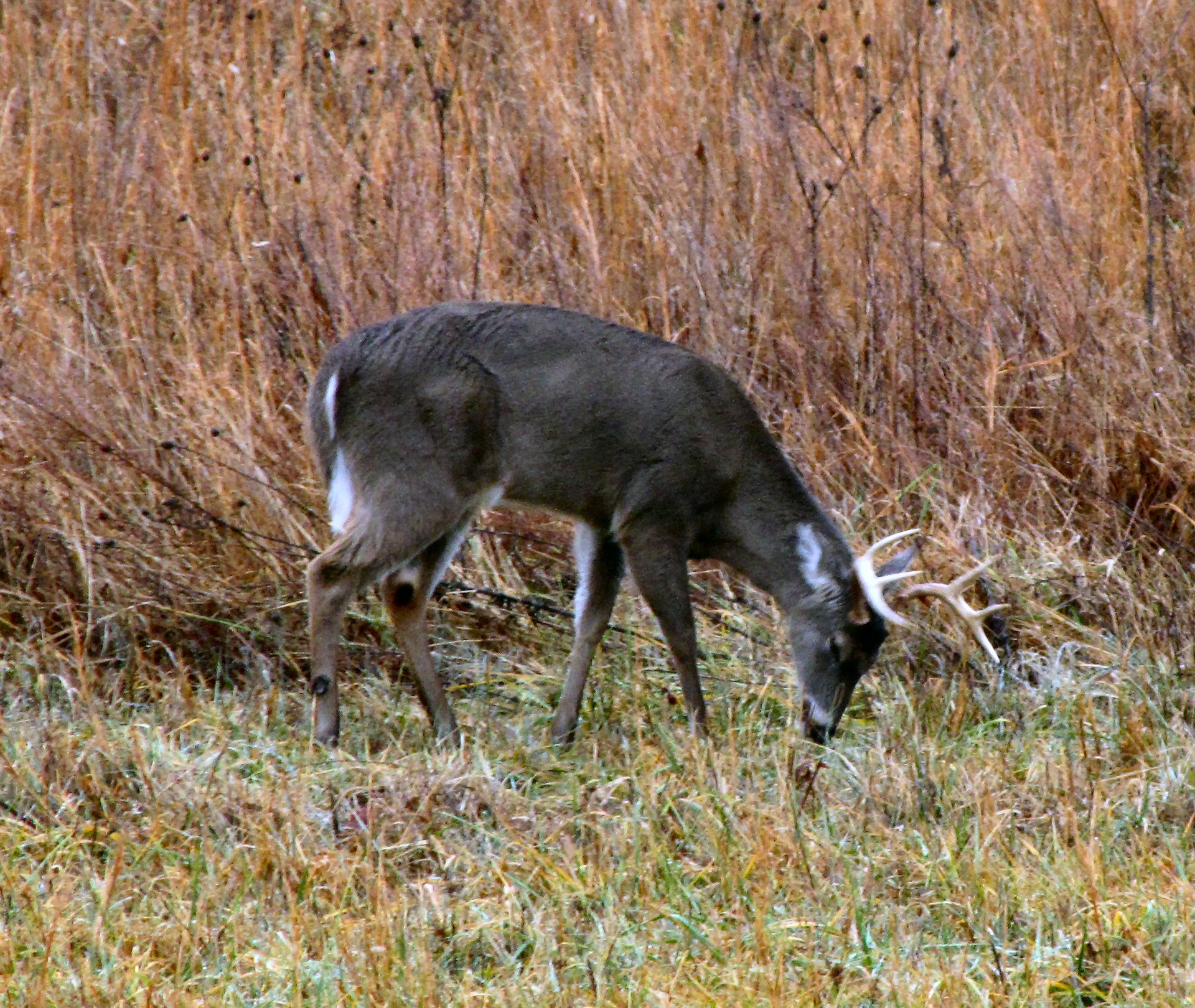
The whitetail rut is a highly anticipated time of year for hunters, with deer becoming more active and less cautious as they search for mates. The rut can be broken down into three main phases: the pre-rut, peak rut, and post-rut. During the pre-rut phase, which typically occurs in late October or early November, bucks begin to establish their dominance and start to rub and scrape. Hunters can take advantage of this phase by setting up near these rubs and scrapes, as well as near food sources and doe bedding areas.
As the rut reaches its peak, usually around mid-November, bucks become even more active and start to chase does. Hunters can use this to their advantage by setting up in areas with high doe activity, such as near food plots or water sources. Calling and rattling can also be effective during this phase, as bucks are more likely to respond to these tactics.
The post-rut phase, which typically occurs in late November or early December, can be a challenging time to hunt, as bucks become less active and more cautious. However, hunters can still find success by targeting areas with high food value, such as oak ridges or agricultural fields. Persistence and patience are key during this phase, as it may take longer to encounter a buck. By understanding the different phases of the whitetail rut and adjusting their hunting strategies accordingly, hunters can increase their chances of success and make the most of this exciting time of year.