Mastering the Whitetail Rut: A Phase-by-Phase Guide
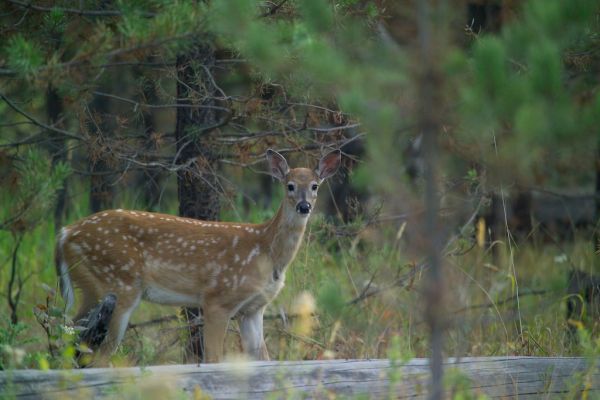
The whitetail rut is a complex and dynamic process, with different phases offering unique hunting opportunities. The pre-rut phase, which typically occurs in late September or early October, is characterized by increased buck activity as they start to establish their dominance hierarchy. During this phase, hunters can focus on areas with high deer traffic, such as food sources and travel corridors, and use tactics like rattling and calling to lure in bucks.
The peak rut phase, which usually occurs in mid to late November, is a time of intense buck activity as they actively seek out does. Hunters can take advantage of this phase by setting up in areas with high doe concentrations, such as food plots and bedding areas, and using tactics like calling and decoying to attract bucks. The post-rut phase, which occurs in late November or early December, is a time of decreased buck activity as they start to recover from the rigors of the rut. During this phase, hunters can focus on areas with high buck concentrations, such as food sources and thick cover, and use tactics like still-hunting and stalking to get close to their quarry.
Regardless of the phase, hunters should always be mindful of their surroundings and adapt their tactics to the specific conditions they are hunting in. This may involve adjusting their stand location, calling strategy, or hunting hours to maximize their chances of success. By understanding the different phases of the whitetail rut and adapting their tactics accordingly, hunters can increase their chances of harvesting a trophy buck.