Mastering the Whitetail Rut: A Phase-by-Phase Guide
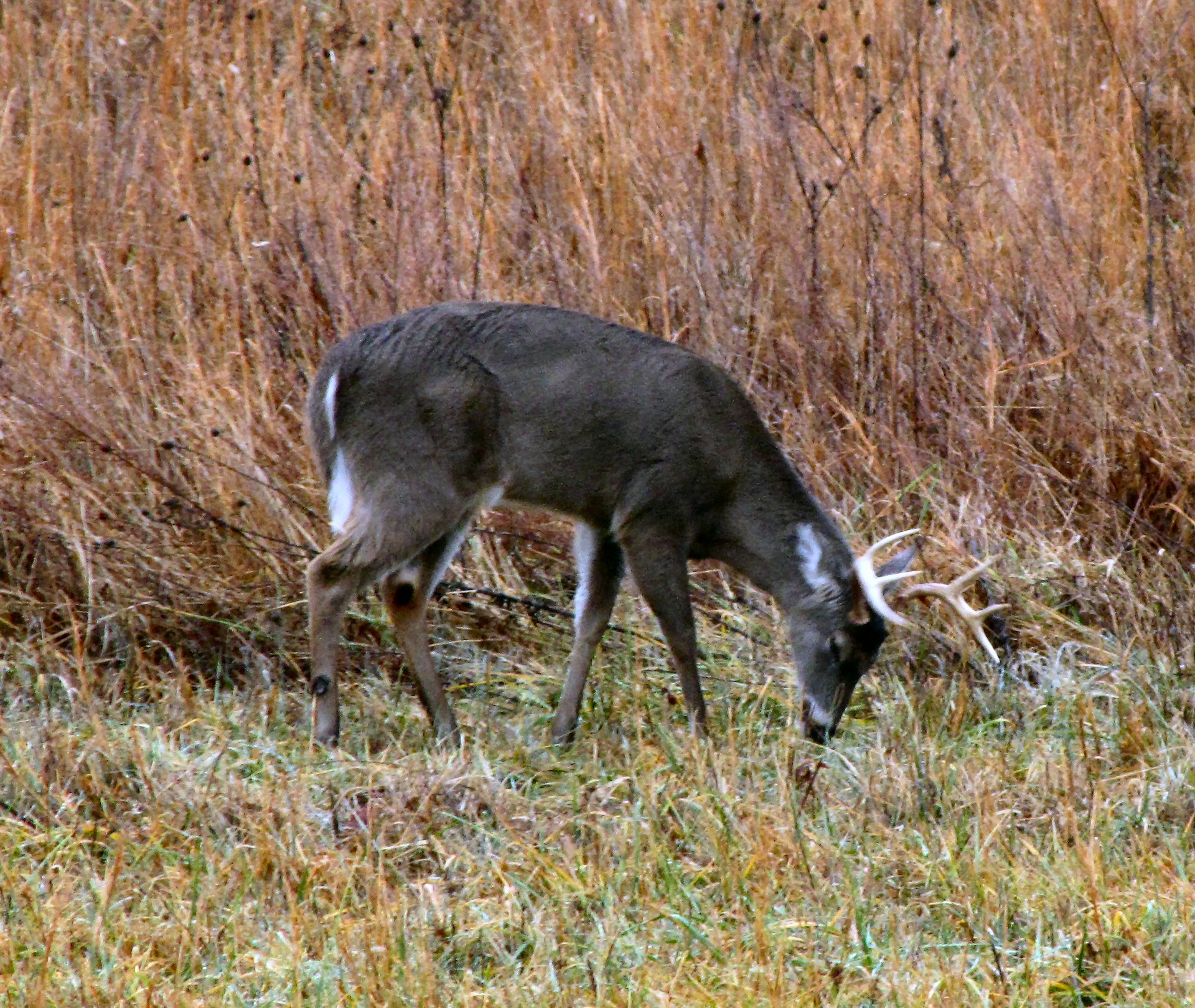
The whitetail rut is a complex and dynamic period in a deer's life cycle, and understanding its various phases is essential for a successful hunt. The rut can be broadly divided into three phases: the pre-rut, the peak rut, and the post-rut. During the pre-rut phase, which typically occurs in late October or early November, bucks begin to establish their dominance and start to rub and scrape. Hunters can take advantage of this phase by setting up near areas with high buck activity, such as rub lines and scrapes.
The peak rut phase, which usually occurs in mid-November, is characterized by intense buck activity, with males actively seeking out does. Hunters can use this to their advantage by setting up near doe bedding areas or food sources, as bucks will often be in the area. It's also a good idea to use calls and scents to lure in bucks.
The post-rut phase, which typically occurs in late November or early December, is marked by a decrease in buck activity, as many does have been bred and bucks are starting to recover from the rigors of the rut. Hunters can still find success during this phase by targeting areas with food sources, such as agricultural fields or mast crops, as bucks will be looking to replenish their energy reserves. By understanding the different phases of the whitetail rut and adjusting their strategies accordingly, hunters can increase their chances of success and make the most of their time in the field.