License Fees and Pittman-Robertson: How Your Money Keeps Wildlife Wild
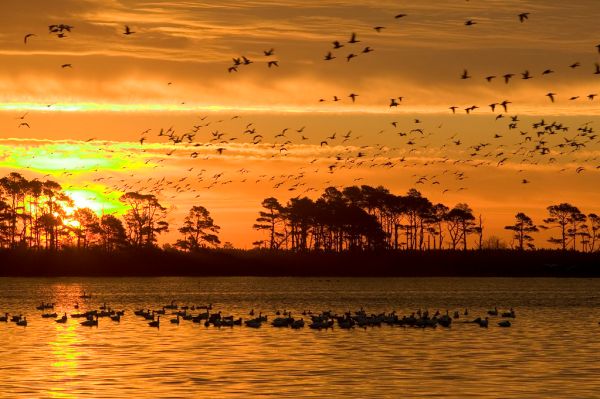
When you buy a hunting license you are doing more than just getting permission to be in the field. The fee you pay goes straight to state wildlife agencies, and those dollars fund everything from habitat restoration to wildlife disease monitoring. In most states the bulk of the budget for game management comes from these license sales, so every hunter’s checkbook is a direct line to healthier populations.
The Pittman-Robertson Act works hand in hand with license fees. Passed in 1937, the law imposes a small excise tax on ammunition, firearms, and related equipment. Those taxes are collected by the federal government and then distributed to state wildlife agencies based on the amount of hunting activity in each state. This creates a reliable, long‑term funding stream that is insulated from the ups and downs of state budgets.
Together, license fees and Pittman‑Robertson dollars pay for habitat projects, scientific research, hunter education, and enforcement of wildlife laws. They also support the purchase of land for public hunting areas and the maintenance of existing tracts. Because the money is earmarked for wildlife, it cannot be diverted to unrelated state expenses, which means the funds stay focused on conservation outcomes.
What can you do? Stay informed about how your state uses these dollars, attend agency meetings, and consider volunteering for habitat projects or youth education programs. Your participation helps ensure that the money you spend continues to translate into thriving wildlife populations for generations to come.