License Fees and Pittman-Robertson: How Your Money Keeps Wildlife Thriving
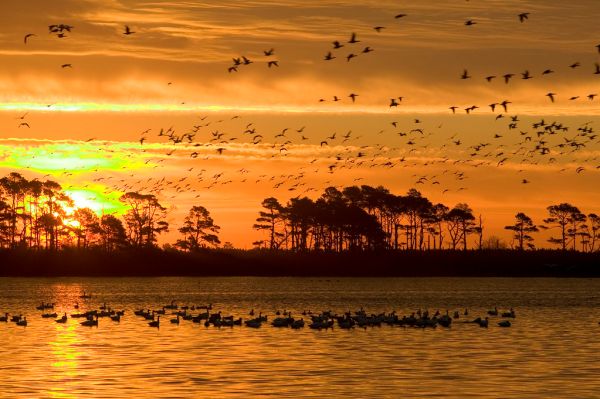
Every year hunters across the country pay for a basic hunting license and a federal excise tax known as the Pittman-Robertson Act. Those dollars don’t disappear into a general budget - they are earmarked for wildlife agencies that manage the lands and species we all enjoy. The system works because the money is collected from the people who benefit most from healthy game populations.
State wildlife agencies use the funds to buy and restore habitat, control invasive species, and conduct research on population health. A portion goes to hunter education programs that teach safety and ethics, while another slice supports disease monitoring and mitigation efforts that keep both wildlife and hunters safe.
The payoff for hunters is immediate. Well-managed habitats produce larger, more robust herds, which means better hunting opportunities and longer seasons. Public lands that are maintained with these dollars stay open for access, and the science funded by the program helps set sustainable harvest limits.
If you want to see the impact of your fees, start by checking your state’s wildlife agency website for annual reports or project maps. Many agencies publish lists of habitat projects that were funded by license and Pittman-Robertson dollars. Getting involved as a volunteer or donor to a local conservation group can also amplify the benefits of the money you already pay.