Hunting For Conservation: How License Fees Make A Difference
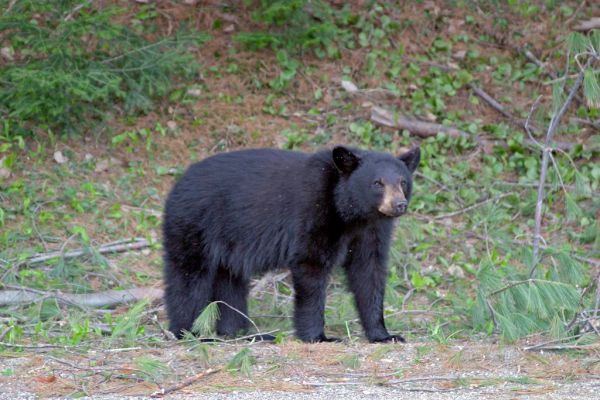
As hunters, we often focus on the thrill of the hunt, the camaraderie with fellow outdoorsmen, and the chance to connect with nature. However, our role in conservation is just as important, and it starts with the fees we pay for our hunting licenses. These fees, combined with federal excise taxes on hunting gear, generate millions of dollars each year for wildlife conservation and management.
The Pittman-Robertson Act, also known as the Federal Aid in Wildlife Restoration Act, was passed in 1937 and has been instrumental in funding conservation efforts across the United States. The act imposes an excise tax on firearms, ammunition, and archery equipment, which is then distributed to states to support wildlife conservation and management programs. This funding has been used to restore habitats, manage wildlife populations, and educate the public about the importance of conservation.
The impact of Pittman-Robertson dollars can be seen in the many success stories of wildlife conservation. For example, the restoration of white-tailed deer populations in the eastern United States, the reintroduction of elk to western states, and the recovery of waterfowl populations are all attributed in part to the funding generated by the Pittman-Robertson Act. Additionally, these funds have been used to support hunter education programs, which teach new hunters about safety, ethics, and conservation.
So the next time you purchase a hunting license or buy a new rifle, remember that you are contributing to the conservation of wildlife and their habitats. Your dollars are making a difference, and by supporting conservation efforts, you are helping to ensure that future generations of hunters will have the opportunity to enjoy the outdoors and pursue their passion for hunting.