How Your License Fees and Pittman-Robertson Dollars Keep the Outdoors Thriving
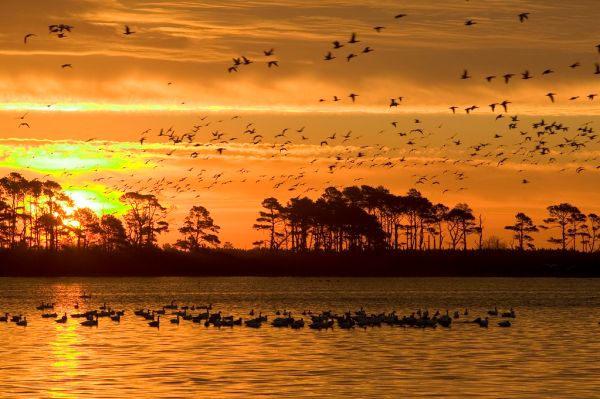
When you buy a hunting license, you’re doing more than just getting legal permission - you’re feeding the primary source of wildlife funding in the United States. The combination of state license fees and the federal Pittman-Robertson Act creates a steady stream of money that supports everything from habitat improvement to population surveys.
State license fees are collected at the point of purchase and are earmarked for wildlife agencies. Those dollars go straight into projects like planting food plots, maintaining water sources, and managing invasive species. Because the fees are tied to the number of hunters, the system scales with demand and helps keep management programs responsive.
The Pittman-Robertson Act, passed in 1937, imposes an excise tax on firearms, ammunition, and archery equipment. The tax revenue is pooled at the federal level and then distributed to states based on land area and the number of licensed hunters. States use those funds for large-scale initiatives such as building wildlife corridors, funding research, and supporting hunter education programs.
What can you do? Make sure your license is current, purchase your ammo from reputable dealers, and consider joining your state’s wildlife fund if you can. Many agencies also offer volunteer opportunities that let you see the impact of your dollars firsthand - from planting trees to monitoring game populations.