How License Fees and Pittman-Robertson Dollars Keep Our Wildlife Thriving
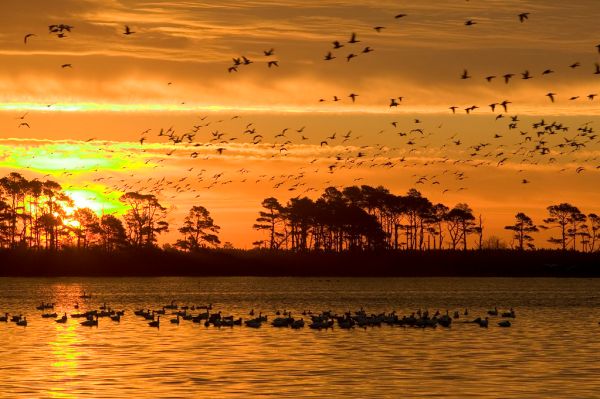
Every time a hunter buys a state hunting license or a federal duck stamp, a portion of that money is earmarked for wildlife conservation. These fees are not a tax; they are a user fee that creates a direct link between the hunting community and the health of the ecosystems they enjoy.
State wildlife agencies collect license fees and allocate them to a variety of projects, from restoring wetlands to managing deer populations. The process is transparent: each state publishes an annual budget that shows how much of the revenue goes to habitat acquisition, research grants, and public education.
The Pittman-Robertson Act, passed in 1937, established a federal excise tax on firearms, ammunition, and archery equipment. The tax revenue is distributed to states based on land area and the number of licensed hunters, ensuring that funds flow to the places that need them most. States use these dollars to purchase critical habitat, fund wildlife biologists, and support cooperative projects with private landowners.
The combined impact of license fees and Pittman-Robertson dollars is measurable: more acres of public hunting land, healthier game populations, and better data for managing wildlife. Hunters can stay involved by reviewing their state agency’s annual report, attending public meetings, and voting on ballot measures that support conservation funding.