How License Fees and Pittman-Robertson Dollars Keep Our Wildlife Thriving
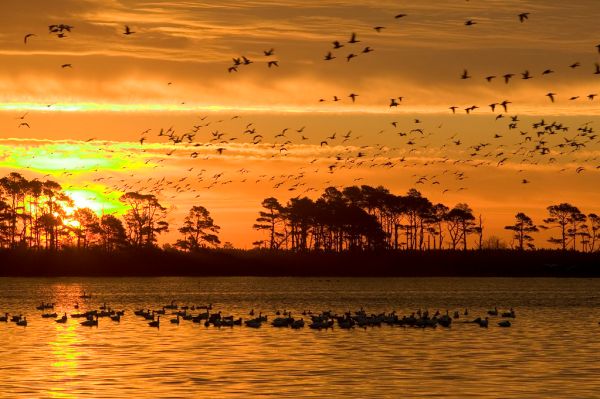
Hunters often hear that their license fees and the Pittman-Robertson Act are the backbone of wildlife conservation, but the mechanics are worth understanding. Every time you purchase a hunting license, a portion of that money is earmarked for state wildlife agencies, which use it to manage habitats, conduct research, and enforce regulations that protect game species.
The license fee system is simple: each state sets its own rates for different hunting categories, and the collected revenue goes directly into the state’s conservation fund. These funds support everything from building deer feeding stations to restoring wetlands that benefit waterfowl and other wildlife.
The Pittman-Robertson Act, passed in 1937, adds a federal layer by taxing ammunition, firearms, and archery equipment. The excise tax is collected by the U.S. Treasury and then distributed to states based on the amount of wildlife they harvest and the size of their land area. This formula ensures that states with larger hunting populations receive proportionally more resources.
Together, these revenue streams have enabled the purchase of millions of acres of public and private habitat, funded scientific studies that guide sustainable harvest limits, and supported species recovery programs for everything from elk to songbirds. The result is healthier ecosystems that benefit not only hunters but also hikers, anglers, and wildlife enthusiasts.
For hunters, paying license fees and buying equipment isn’t just a legal requirement-it’s an investment in the future of the outdoors. By staying informed and supporting these programs, you help ensure that the wildlife you pursue today will still be thriving for the next generation of hunters.