Funding the Future of Wildlife: How License Fees and Pittman-Robertson Dollars Make a Difference
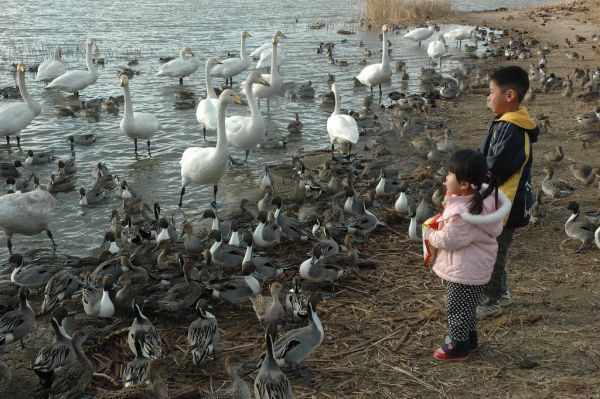
As hunters, we often focus on the thrill of the hunt, the camaraderie with fellow outdoorsmen, and the satisfaction of bringing home a trophy. However, our role in supporting wildlife conservation is just as important. License fees and Pittman-Robertson dollars are two key ways that hunters contribute to the conservation of wildlife and their habitats. License fees, which are paid by hunters to obtain the necessary permits to hunt, provide a significant source of revenue for state wildlife agencies. This funding is used to support a wide range of conservation efforts, including habitat management, species research, and wildlife law enforcement.
In addition to license fees, Pittman-Robertson dollars also play a critical role in funding wildlife conservation. The Pittman-Robertson Act, also known as the Federal Aid in Wildlife Restoration Act, was passed in 1937 and imposes an excise tax on the sale of firearms, ammunition, and archery equipment. This tax generates millions of dollars each year, which are then distributed to state wildlife agencies to support conservation efforts. The funding is used to support a variety of projects, including habitat restoration, wildlife research, and public education programs.
The impact of license fees and Pittman-Robertson dollars on wildlife conservation cannot be overstated. These funding sources have been instrumental in supporting the recovery of numerous species, including white-tailed deer, wild turkey, and elk. They have also helped to protect and restore habitats, such as wetlands, forests, and grasslands, which are essential for maintaining healthy and diverse wildlife populations. By supporting conservation efforts through license fees and Pittman-Robertson dollars, hunters are helping to ensure the long-term sustainability of wildlife populations and the habitats they depend on.