From Field to Plate: Maximizing Your Harvest
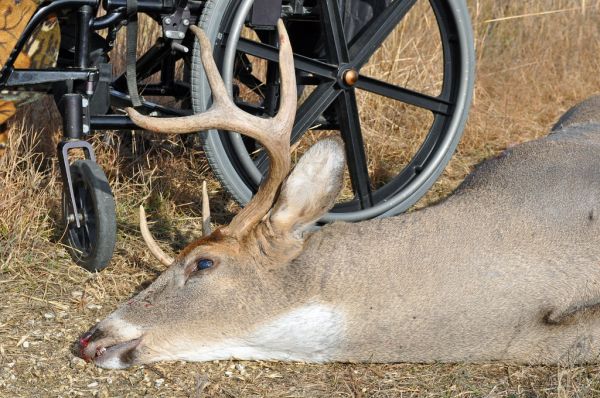
When it comes to bringing home the bacon, or in this case, the venison, many hunters focus on the thrill of the hunt, but the process of getting your game from the field to the table is just as important. Proper handling and care of your harvest can make a significant difference in the quality and flavor of your meat. This starts with field dressing, which should be done as soon as possible after the animal is killed to prevent spoilage and contamination.
Once you have field dressed your game, it's time to think about aging. Aging allows the natural enzymes in the meat to break down the proteins and fats, resulting in a more tender and flavorful product. The aging process can be done at home, but it requires a controlled environment with consistent temperatures between 34 and 39 degrees Fahrenheit.
Butchering is the next step in the process, and it's an art that requires some skill and practice. A good butcher can make all the difference in the quality of your final product, but with a little patience and practice, you can learn to do it yourself. Start by boning out the carcass, then separate the meat into primal cuts, such as the shoulder, hindquarter, and loin. From there, you can cut the meat into steaks, roasts, and ground meat, depending on your preferences.
To get the most from your harvest, consider learning about different cooking methods and recipes that showcase the unique flavor and texture of wild game. From hearty stews and braises to grilled steaks and roasts, there are countless ways to enjoy your harvest. With a little practice and patience, you can turn your game into delicious, memorable meals that you'll cherish for years to come.